Product Guide
Nose Strips for Snoring
What external nasal strips can—and cannot—do, how to try them, and signs that snoring needs more than a product.
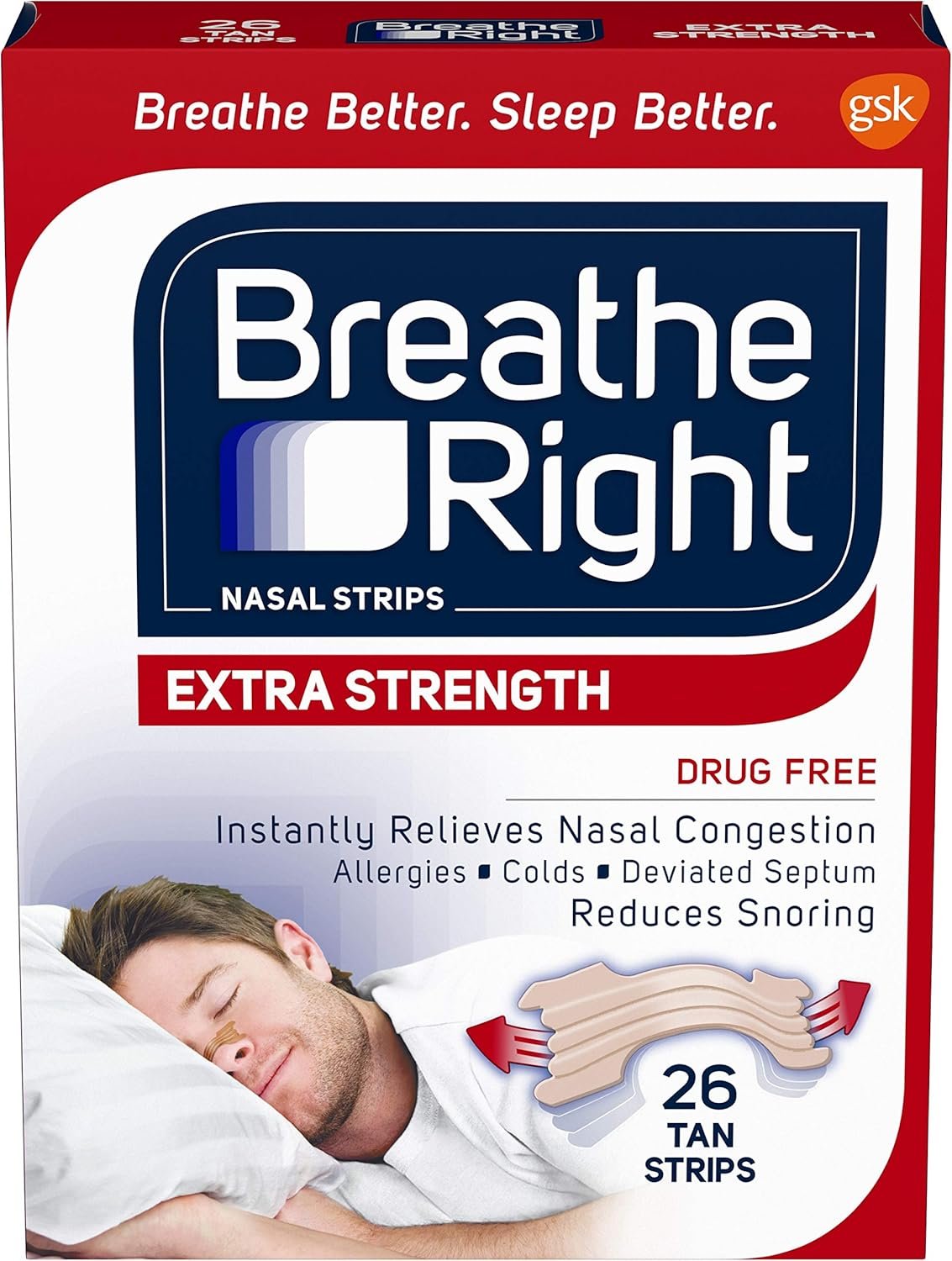
Nose strips, also called external nasal strips, are flexible adhesive bands placed across the bridge of the nose. They gently pull the sides of the nose outward, which may make nasal breathing feel easier for some people. They are not a cure for snoring: they do not treat narrowing or collapse farther back in the throat, and they are not a treatment for obstructive sleep apnea.
How Nose Strips Work
The strip's flexible bands provide a small outward lift around the nostrils. This can reduce resistance at the nasal opening and may make breathing through the nose more comfortable. The effect is limited to the front of the nose; a strip does not reposition the tongue or hold open the throat.
When They May Help Snoring
A cautious trial may be reasonable when snoring seems related to a stuffy nose or a feeling that the nostrils narrow during inhalation. A strip may make nasal breathing easier, but whether it changes snoring varies from person to person. Keep track of congestion, comfort, and a bed partner's observations rather than assuming quieter snoring means a health problem is resolved.
When They Are Unlikely to Help
Nose strips are unlikely to address snoring caused mainly by vibration or obstruction in the soft palate, tongue, or other parts of the throat. They cannot diagnose or treat sleep apnea. If snoring continues despite easier nasal breathing, consider other causes instead of repeatedly changing strip brands.
External Strips vs. Internal Dilators
External strips adhere to the outside of the nose. Internal nasal dilators sit inside the nostrils and come in different shapes and materials. Neither type is right for everyone; fit, comfort, skin sensitivity, cleaning instructions, and the product's intended use are practical comparison points. Neither should be presented as a substitute for sleep-apnea evaluation.
How to Apply a Strip
Follow the specific product label. In general, apply a strip to clean, dry skin, position it as directed across the nose, and remove it gently according to the package instructions. Do not apply it to irritated, injured, or sunburned skin, and stop using it if you develop persistent redness, pain, or a skin reaction. Check age guidance and other warnings on the product.
A Simple, Safe Trial
If you have no warning signs, try one product as directed for a short period and note whether nasal comfort or reported snoring changes. Do not combine several devices at once or use a strip to postpone care for persistent symptoms. Stop if it causes discomfort or skin irritation. If nasal blockage is frequent, a clinician can help look for allergies or another cause.
Snoring Warning Signs
Speak with a healthcare professional if snoring comes with pauses in breathing, gasping or choking during sleep, pronounced daytime sleepiness, or unrefreshing sleep. These can be signs of obstructive sleep apnea, which needs proper assessment. Do not drive when sleepy enough to make driving unsafe. A strip or phone recording cannot rule out sleep apnea.
What to Try if Strips Do Not Help
Persistent snoring deserves a cause-focused approach. A clinician can assess nasal symptoms and discuss whether further evaluation is appropriate. For possible sleep apnea, diagnosis may involve a sleep evaluation and testing; treatment depends on the findings. Other approaches—such as positional measures or a professionally fitted oral appliance—are suitable only for selected people and should not be chosen based on snoring volume alone.
Recommended Products
Relevant picks from our current product catalog. Compare features and suitability before buying.
We may earn a commission from qualifying purchases at no extra cost to you. Prices and availability may change on Amazon.
Frequently Asked Questions
Sources & further reading
These authoritative resources informed the health guidance in this article.
About this guide
About the author
Alfredo Kofman is the independent publisher and editor of SleepSolutions.com. He organizes each guide around authoritative sources, clear safety boundaries, and transparent product disclosures. He is not a physician or sleep specialist, and this guide has not been presented as clinician-reviewed.
Disclaimer: This content is for informational purposes only and is not medical advice. Always consult a qualified healthcare professional for diagnosis and treatment.